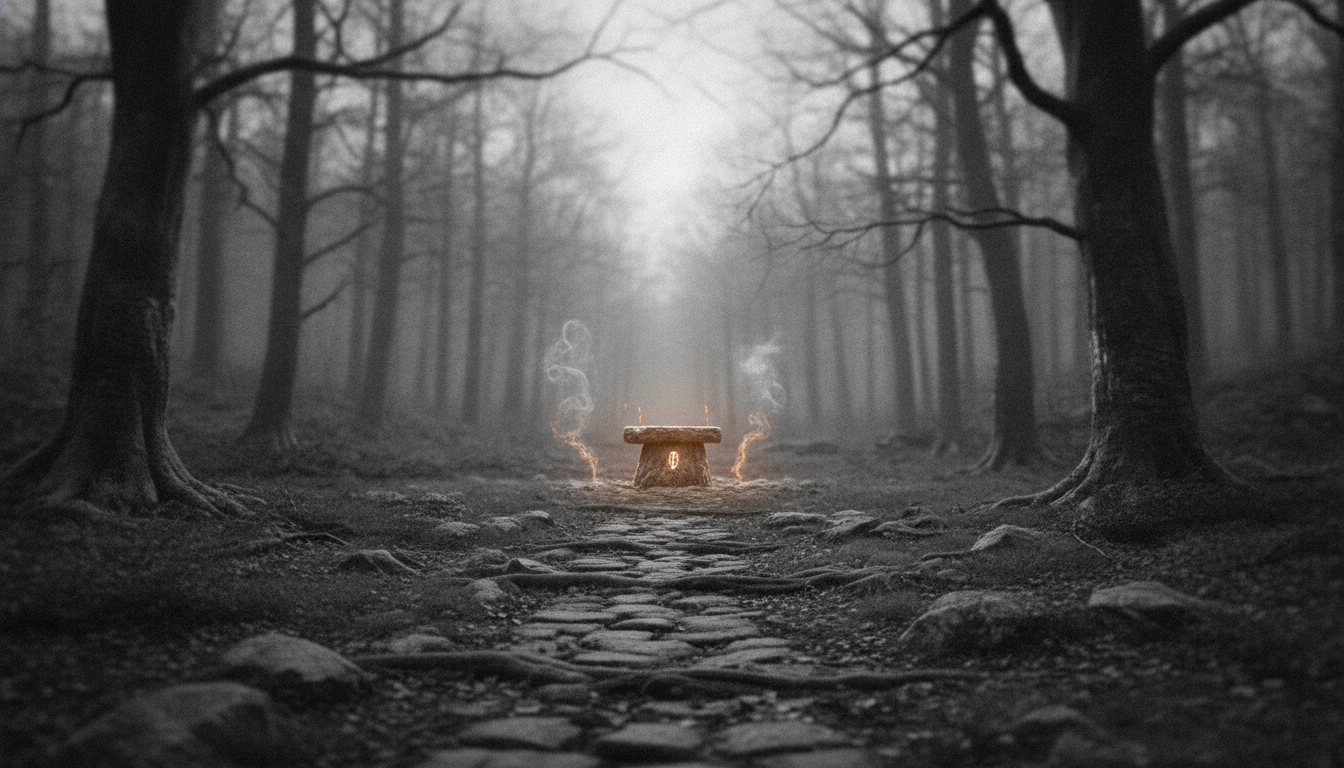
Grief rarely comes with a neat ending. We're often taught that loss follows a linear path—denial, anger, bargaining, depression, acceptance—but the reality is messier and more human. Sometimes there's no funeral to mark an ending. Sometimes the person who hurt us never apologizes. Sometimes we lose someone to circumstances we can never fully understand. In these moments, our need for closure collides with the impossibility of getting it, and we're left holding a weight that won't settle.
This is where grief rituals become transformative. Rather than waiting for closure to find us, we can actively create meaningful practices that honor our loss, integrate our pain, and carve out space for peace—not despite the lack of closure, but because we've learned to live meaningfully alongside it.
Key Takeaways
- Closure is a myth; peace is the real goal when grieving unresolved loss
- Rituals create a container for complex emotions that can't be neatly resolved
- Healing practices work best when they're personal, intentional, and repeated
- Compassionate recovery means accepting the permanent presence of grief
- Structured practices can help you transform loss into meaning
Understanding Unresolved Grief and Why Rituals Matter
Unresolved grief is what remains when the circumstances of loss prevent traditional closure. This might look like:
- The death of someone with whom you had unfinished business
- Losing someone to estrangement without reconciliation
- A sudden disappearance or death without full understanding
- Betrayal that changes your relationship trajectory without resolution
- Ambiguous loss—losing someone who's still alive but no longer present in the same way
The psychological literature increasingly confirms what many grieving people already know: closure isn't always possible, and that's okay. What is possible is integration—the gradual process of weaving loss into your life story so it no longer tears at you with the same rawness.
Rituals serve this integration by giving structure to the formless. When grief feels overwhelming and untethered, a ritual becomes an anchor. It says: for this time, in this way, I will intentionally hold this loss. It transforms private anguish into a deliberate practice, which paradoxically, can feel more manageable.
Creating Meaningful Healing Practices That Honor Your Loss
The most powerful grief rituals are those you create yourself, designed specifically for your relationship and your loss.
What makes a ritual effective:
- Intentionality: You choose it consciously, not by accident
- Repetition: It happens regularly enough to become a practice, not a one-time event
- Sensory engagement: It involves your body, not just your mind
- Personal meaning: It reflects your specific relationship and loss
- Witness: Ideally, someone else knows you're doing this, or you acknowledge it yourself as sacred
Some people light a candle each year on the anniversary of the loss. Others write letters they never send. Some plant a tree, create a small altar, prepare a meal that person loved, walk a meaningful path, or sit in silence at a particular time. The ritual itself matters less than what it means to you.
The key is avoiding the trap of performing someone else's grief. If you're not a religious person, a formal religious ritual might feel hollow. If you're someone who finds comfort in solitude, a large gathering might aggravate your pain. Your ritual should feel like an extension of your authentic self, not an obligation.
Four Compelling Loss and Endings Rituals to Consider
The Letter Practice
Write to the person you've lost—about what you needed to say but couldn't, what you wish had happened differently, what you forgive, what still hurts. You might write monthly, or on difficult dates. Some people read their letters aloud to an empty chair. Others bury them, burn them safely, or simply keep them in a box they return to periodically.
The letter practice transforms silence into expression, making the internal external and, in doing so, often reducing its power over you.
The Object Ritual
Designate an object—a stone, a candle, a piece of jewelry—as a tangible holder of your grief. Hold it when you need to cry. Carry it when you need reminder that you're not alone in your loss. Some people create an altar with objects meaningful to both them and the person they've lost. The physical presence of something real can ground you when emotions feel too large.
The Seasonal Recognition
Rather than marking only one date, create small rituals throughout the year tied to seasons or occasions. Light a candle in winter when darkness deepens. Plant seeds in spring. Share a meal in their absence on a birthday. These repeated practices acknowledge that grief doesn't expire; it returns in waves, and you're prepared for those waves.
The Service or Contribution
Some people channel their grief into action—volunteering for a cause the deceased cared about, mentoring someone, creating art, or writing. This transforms loss into meaning and allows you to carry the person forward not just in memory, but in impact.
Finding Peace Without Waiting for Closure
Peace in the absence of closure requires a fundamental shift in how we relate to our grief. It means accepting these truths:
The loss will always be part of your story. You're not trying to erase it or "get over it." You're learning to carry it in a way that doesn't dominate your entire landscape.
Unresolved aspects might remain unresolved. You may never understand why they did it. They may never apologize. The relationship may never be repaired. And somehow, you still must find a way to live fully despite this.
Your rituals are for you, not for them. If the person has died, they aren't receiving your letter or attending your ceremony. The ritual's power comes from what it does for you—it honors your process, validates your loss, and creates meaning from pain.
Peace coexists with sadness. Finding peace doesn't mean feeling happy about the loss. It means the loss no longer consumes every moment. You can think of them and smile. You can remember the good parts without the grief completely hijacking the memory. You can have a full day and suddenly feel the weight return, and that's normal.
This is where practices like those offered through innr.app's free assessment can help. Understanding your emotional baseline and having personalized reflections during grief can provide additional structure during times when creating your own feels too difficult.
A Practical Exercise: Creating Your Personal Grief Ritual
Time required: 20-30 minutes for creation; varies for ongoing practice
What you'll need: Quiet space, pen and paper, optional items (candle, object, natural materials)
The Process:
-
Reflect on your loss. Spend 5 minutes sitting with the person or loss you're grieving. Don't try to organize your feelings; just notice what's present.
-
Consider what you need. Do you need to express something? Honor something? Feel held? Mark time? Let this guide you toward your ritual form.
-
Choose your practice. Pick one of the four rituals above, or design your own based on what feels true to you. Write it down specifically—not "light a candle sometimes," but "every Thursday evening, I light a white candle for 15 minutes and sit quietly."
-
Identify when and where. Be specific. Vague intentions rarely become practices. "In the morning" becomes "7:30 a.m. at my kitchen table."
-
Write it down. This formal step signals to your nervous system that this is real and important.
-
Do it once. Complete your ritual at least once before committing to repetition. Notice how it feels. Adjust as needed.
-
Build it in. Treat it like you'd treat a recurring appointment. Your grief is worth protecting time for.
Reflection questions:
- What shifted in my body or emotions during this ritual?
- Did anything surprise me?
- What might I adjust next time?
FAQ: Grief Rituals and Healing Practices
Q: Is it unhealthy to keep doing rituals if it means I'm not "moving on"?
A: Rituals aren't about refusing to move forward—they're about integrating loss into your forward movement. You can build new chapters of your life and have a meaningful practice honoring what was lost. They're not mutually exclusive. Many people find that consistent rituals actually help them move forward more fully because the grief is being held intentionally rather than oozing into unexpected moments.
Q: What if my ritual feels awkward or forced at first?
A: That's normal and okay. Rituals often feel strange initially because they're not part of your usual patterns. Most people report that after three to five repetitions, the practice begins to feel natural and meaningful. Give yourself permission for an awkward beginning.
Q: Can I change my ritual if what works for me evolves?
A: Absolutely. Your grief will deepen and shift over time, and your practices should evolve with it. A ritual that felt essential last year might feel less necessary now, or you might want to add new elements. Treat your ritual as something alive and responsive to where you are.
Q: What if I don't have anyone to witness my ritual? Does it matter?
A: Witnessing can come from others, but it can also come from yourself. Acknowledging your own practice—writing it down, sitting with intention, recognizing it as sacred—is a form of self-witnessing. Some people also feel witnessed by nature, by the universe, or by their spiritual beliefs. The ritual's power comes from your intentionality, not from an audience.
Q: How long do I need to keep doing these rituals?
A: There's no endpoint. Some people maintain a grief ritual indefinitely because it brings them peace and keeps them connected to what mattered. Others do them intensively for a period and then only on meaningful dates. The timeline is entirely yours.
The Ongoing Journey of Compassionate Recovery
Finding peace when closure isn't possible is an act of radical self-compassion. It's deciding that you don't need everything to be resolved in order to live well. It's honoring what was lost without letting the loss hollow you out.
Your rituals become small, repeated declarations: This mattered. I mattered. This loss is real, and so am I.
Over time, these small acts of intentionality accumulate into a different relationship with your grief. It doesn't disappear, but it becomes less sharp. It becomes part of your history rather than your constant present. And somewhere along the way, usually when you're not watching for it, you realize you've found something that looks a lot like peace.
If you're struggling to find your footing with complex grief or feeling lost about how to structure your emotional recovery, starting with a free assessment can provide personalized insights about what practices might serve you best.
Your grief is worthy of ritual. Your loss is worthy of honor. And you are worthy of peace—not someday, when everything makes sense, but now, in the midst of living alongside what you cannot change.